
How to Recover from a Bad Americana Shoulder Injury
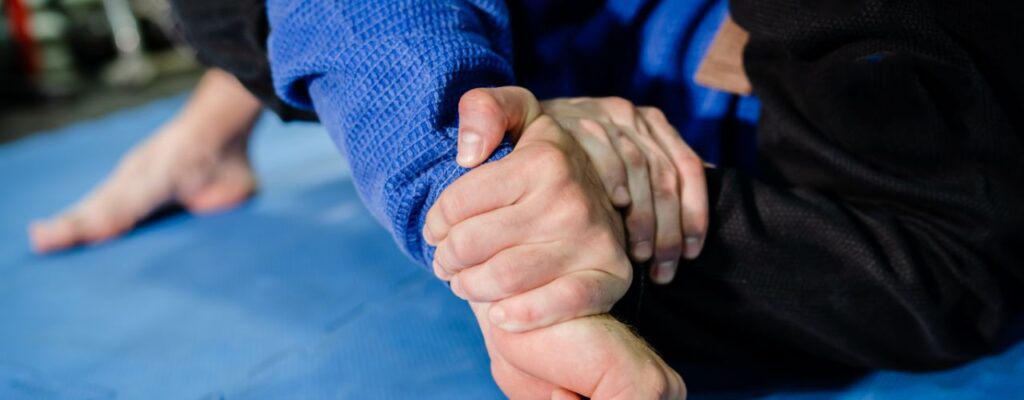
The Americana is one of the first submissions you learn in jiu-jitsu. If you’re reading this, you probably know what it is… but you might not know why it works. Why does your professor have you bring the elbow down close to the body? Why can’t you finish the move if they start putting their arm above their head? Today I will endeavor to demystify this question for you.
Americana Shoulder Anatomy
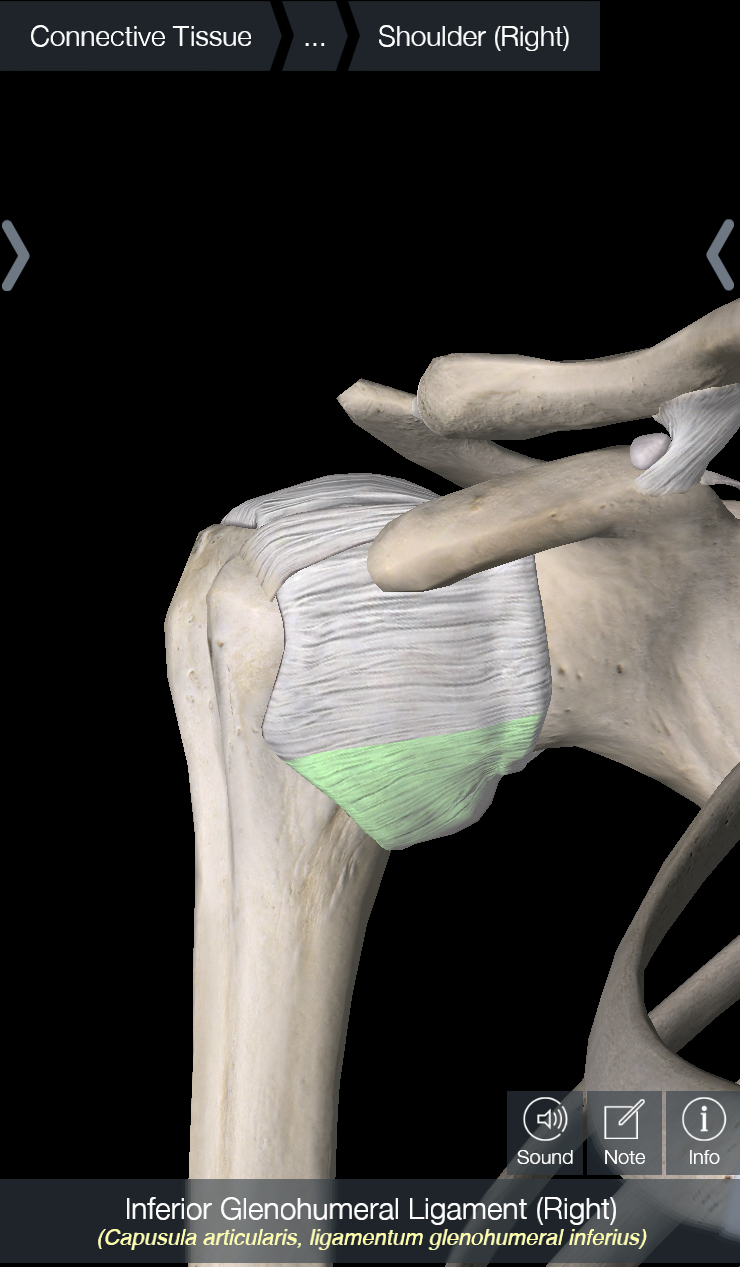
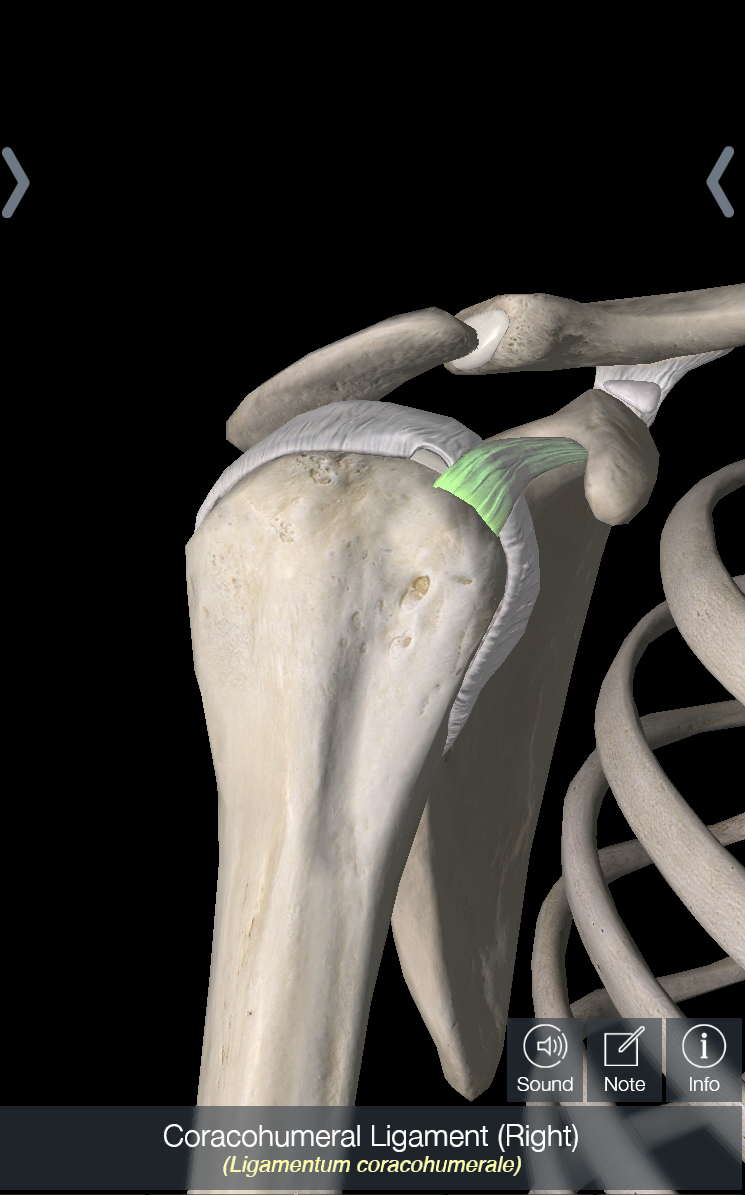
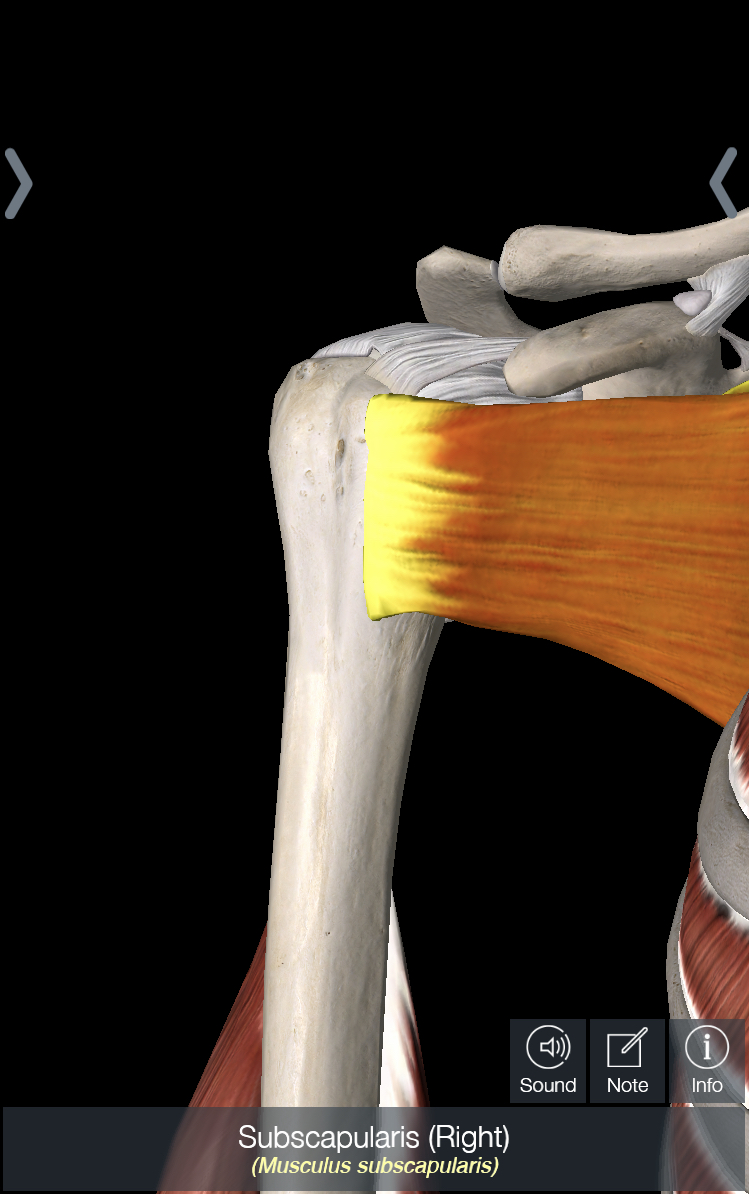
The shoulder joint – also known as the glenohumeral joint – is a ball and socket joint, with a piece of connective tissue called the labrum that surrounds the socket to make the joint more stable. The muscle that is most likely to be torn in an Americana is the subscapularis, which is one of the 4 muscles of the rotator cuff and crosses in front of the shoulder joint. In terms of ligaments, there is a capsule that surrounds the shoulder joint; this can be thought of as a large piece of tissue that surrounds the joint with several areas that are thickened throughout; these are considered ligaments. Of these ligaments – i.e. the ligaments contained within the capsule of the shoulder – the one we care about the most is the inferior glenohumeral ligament (IGHL). In addition, the coracohumeral ligament, which attaches from the front of the scapula to the ball of the shoulder joint, is also important.
In all the pictures below, we are looking at the shoulder from the front. In picture 1, I have removed everything except for the shoulder capsule. In picture 2, I have highlighted the IGHL, which is one of the most stressed ligaments in the shoulder with an Americana. You can imagine that if someone is rotating your shoulder upwards, that will cause this ligament to rotate upwards as well, making it the main part of the capsule being stressed. In picture 3, I have rotated the picture about 60 degrees and highlighted the coracohumeral ligament. And last but not least, in picture 4 I have highlighted the subscapularis.

Americana Shoulder Mechanism of Injury
The Americana works primarily by placing the shoulder into hyper-external rotation and secondarily by moving the ball of the shoulder forward in the socket – what we term “anterior translation.” In the first situation, putting the shoulder into such a high degree of external rotation will eventually tear the ligaments in the front of the shoulder – the IGHL and coracohumeral ligament – and the subscapularis. In the second situation, if pressure is being placed on the back of the shoulder and pushing it forward, the ball of the shoulder can pop out the front of the socket, which will damage the ligaments mentioned above and possibly tear the labrum.
Why are Americana’s harder to do when your opponent’s elbow isn’t near their side? Two reasons: first, the shoulder has about 30 degrees more motion when it is away from the body compared to when it is by the side; second, the coracohumeral ligament is only stretched when the arm is by the side, and the more ligaments you put pressure on, the more painful it will be.
How to Recover from a Bad Americana Shoulder Injury
First and foremost, if you dislocate your shoulder, you should see a doctor; in addition to the damage to the joint, muscles, and ligaments, a dislocation can damage the nerves and blood vessels in the area, which is a major problem.
As with most injuries, the most important thing is to not re-injure the shoulder. Not only will you be more prone to injury when the ligaments and muscles are recovering, but you can further damage the ligaments and muscles, making your recovery time longer. When trying to return to the mats, this technique with an ACE bandage can help support the shoulder; as you can see in the video, this technique pulls the shoulder into INTERNAL rotation, which makes it harder to externally rotate.
If you damaged the ligaments in the front of the shoulder and/or the labrum, it is very important to strengthen the shoulder muscles, especially the rotator cuff. The rotator cuff is the primary set of muscles that provide stability to the shoulder joint, and when the ligaments are damaged, the rotator cuff is required to do more work to stabilize the joint. There are a variety of rotator cuff exercises that you can find online, but it is best to work with a physical therapist to 1) make sure you are doing the exercises correctly and 2) find exercises that are appropriately challenging.
I hope you found this post on Americanas informative. If you are having difficulty recovering from an Americana, it is worth seeing a physical therapist for an additional opinion and treatment to get you back on the mats. If you live in the Grand Junction area, feel free to give me a call for a free consultation to see what we can do!